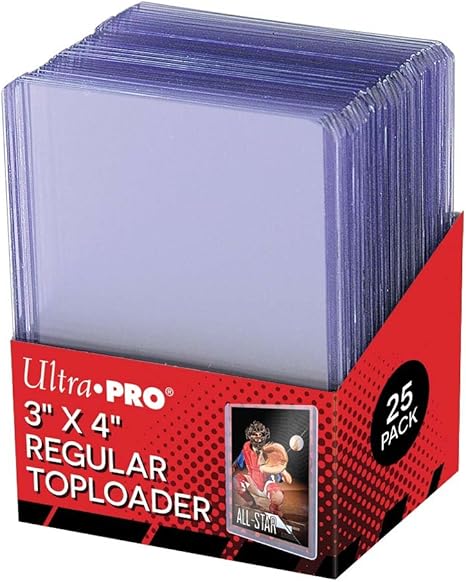
- ✓Always sleeve cards before placing them in a top loader or card saver
- ✓Use team bags to seal top loaders and prevent cards from sliding out
- ✓Bubble mailers are suitable for raw cards — rigid mailers add extra protection
- ✓For cards over $100 always use tracking and consider insurance
- ✓Graded slabs require extra padding and should ship in bubble wrap inside a box
How to Ship Trading Cards Safely — Complete Guide
Shipping trading cards safely is one of the most important skills any collector or seller needs to master. A card that arrives damaged is a transaction that ends badly for everyone — refunds, disputes, negative feedback, and a damaged card that loses value. Getting your shipping method right protects your cards, your reputation, and your buyer's investment.
This guide covers everything from basic raw card shipping to safely sending high-value graded slabs across the country.
Essential Shipping Supplies
Before you ship a single card make sure you have these supplies on hand.
Penny sleeves
The first layer of protection for any card. Always sleeve a card in a penny sleeve before placing it in a top loader or card saver. This prevents scratching from the card moving inside the holder.
Top loaders
Rigid plastic holders that protect cards from bending. Standard top loaders fit most trading cards. Use thick top loaders for graded cards or cards you want extra rigidity protection for.
Team bags
Resealable plastic bags designed to hold a card inside a top loader. Essential for sealing the top loader and preventing the card from sliding out during shipping.
Bubble mailers
Padded envelopes with bubble wrap lining. The standard shipping method for most raw card transactions. Use 6x9 inch bubble mailers for single cards or small lots.
Rigid mailers
Cardboard mailers that prevent bending. Provide more protection than bubble mailers for higher-value cards. Many sellers use both — placing the top loaded card inside a rigid mailer and then inside a bubble mailer.
Cardboard backing
Cut pieces of cardboard slightly larger than the top loader to add rigidity to your mailer. A simple and cheap way to add protection for any shipment.
How to Ship a Raw Trading Card
Follow these steps for shipping most raw (ungraded) trading cards safely.
Step 1 — Sleeve the card
Place the card in a penny sleeve first. This is non-negotiable — a card sliding around inside a bare top loader will get corner wear and surface scratches.
Step 2 — Place in a top loader
Slide the sleeved card into a standard top loader. The card should fit snugly without being forced. For thicker cards (jersey cards, patches) use a thick top loader.
Step 3 — Seal with a team bag
Place the top loader into a team bag and seal it. This prevents the card from sliding out of the top loader and adds a layer of moisture protection.
Step 4 — Add cardboard backing
Tape a piece of cardboard slightly larger than the top loader on each side of the bagged card. This creates a rigid sandwich that prevents bending even if the mailer gets flexed.
Step 5 — Write "Do Not Bend" on the outside
Label the outside of your mailer clearly with "Do Not Bend" or "Trading Cards — Do Not Bend" to alert postal workers.
Step 6 — Use a bubble mailer or rigid mailer
For cards under $50 a padded bubble mailer is typically sufficient. For cards over $50 consider using a rigid mailer or combining both for extra protection.
How to Ship High-Value Cards
Cards worth $100 or more deserve extra protection and shipping precautions.
Use tracking on everything over $20
USPS First Class Mail with tracking starts at around $4-5 and provides peace of mind for both sender and buyer. Never ship a valuable card without tracking.
Add insurance for cards over $100
USPS offers insurance for declared value up to $5,000. For cards worth $100 or more the small cost of insurance is worth it. eBay sellers especially should insure shipments to protect against disputes.
Use a box instead of a mailer
For cards worth $500 or more ship inside a small cardboard box with the card padded on all sides with bubble wrap. A box provides significantly more protection than any mailer.
Consider signature confirmation
For very high-value cards requiring a signature upon delivery provides proof that the package was received by the buyer. Essential for cards worth $1,000 or more.
How to Ship Graded Cards (PSA, BGS, SGC Slabs)
Graded slabs require different handling than raw cards due to their size, weight, and the value typically associated with them.
What you need
- Bubble wrap — wrap the slab completely
- Small cardboard box — never ship a slab in a mailer
- Packing peanuts or foam — fill empty space in the box
- Tape — seal the box securely on all edges
How to pack a graded slab
- Wrap the slab in at least two layers of bubble wrap
- Place in a box with at least one inch of padding on all sides
- Fill any empty space with packing peanuts or crumpled paper
- The slab should not be able to move at all inside the box when shaken
- Seal all edges with packing tape
Never ship a graded slab in a bubble mailer. Slabs can crack if the mailer flexes or gets caught in postal sorting equipment. Always use a box.
Best Shipping Services for Trading Cards
USPS First Class Mail
The most popular option for trading card shipping. Affordable, reliable, and includes tracking. Best for cards valued under $400. Delivers in 1-5 business days.
USPS Priority Mail
Faster than First Class with flat rate options. Good for heavier shipments or when you need 1-3 day delivery. Includes up to $100 in insurance automatically.
UPS and FedEx
Better options for very high-value cards or graded slabs. More reliable tracking and easier insurance claims than USPS for high-value items. More expensive than USPS for small packages.
Common Shipping Mistakes to Avoid
- Shipping without a sleeve — always sleeve before top loading
- Using a mailer for graded slabs — always use a box
- Skipping tracking — always use tracking for any card over $20
- Not sealing the top loader — always use a team bag to prevent the card sliding out
- Insufficient padding — the card should not be able to move inside the package
- Not labeling "Do Not Bend" — always label your mailer clearly
- Using a plain envelope — never ship cards in a plain envelope without rigid backing